Writing a News Story
- oliviarapier03
- Mar 26, 2025
- 2 min read
Writing a story for class, a newspaper, broadcast, radio or for personal development can seem like a daunting task. People spend years in school learning the proper techniques and skills necessary to writing a good story. While the writing aspect of stories takes time and practice, the steps to putting one together are similar case-by-case.
As a freshman at MTSU, I wouldn't have known where to start with a writing assignment that dealt with real-world events. As a junior, it comes easier.

Every story is different. Think, are you covering:
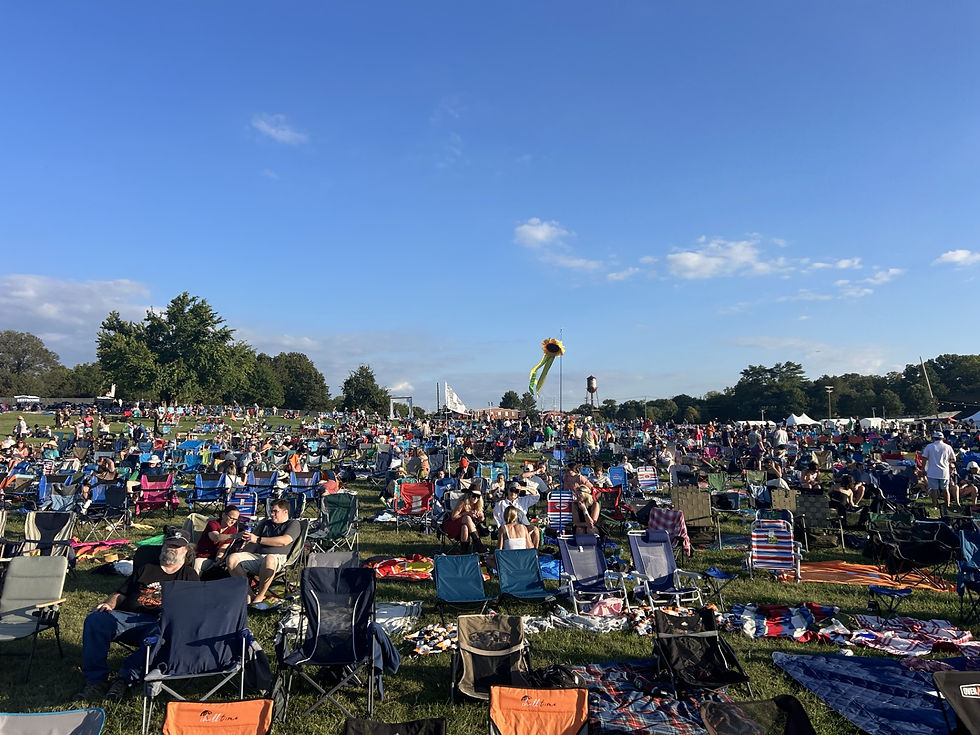
A concert?
A campus government meeting?
A hearing?
A grand opening?
While these are all different events, the essentials of your story will stay the same.

Finding a story
You may be thinking: what do I cover when the outlets have already covered everything?
Answer: they haven't.
A great resource is social media. Whether your desired field is politics, sports, local events, etc., keep up with happenings at their source.
Additionally, always look for new angles to stories you may have seen.
Example: A news article says the dining hall will be closed for a week due to an outbreak.
Consider another angle: Where will students eat? Will this increase the number of delivery orders to campus this week? How will the dining hall ensure the sterilization of its surfaces and equipment?
Stories are everywhere, finding them may take some creativity.

Background
A story, unless an opinion piece, is nothing without information. Before you begin writing, take down notes about your topic. Know as much as possible before telling other people about it. Research people who might be involved, who may speak on the record with you, what lead to this event, what the purpose is and what it could mean for the future.


Interviewing
There are many different ways to go about interviewing, but here are my tips:
Begin with the proper spelling and pronunciation of the interviewee's name
Prepare questions ahead of time
Questions should be open answer, no yes/no questions.
After asking a question, let the interviewee speak for as long as they please
Don't interrupt with the next question or for clarification, wait until they're done.
Record the conversation with an app that automatically produces a transcript
Ask for permission to use their full name and quotes
If someone is surprised that their name and quotes are used in an article, it can make the writer look bad and lose journalistic integrity.

Putting it all together
Once you have all the information you could need, it's time to start writing!
My tips:
Write around your quotes
Have a source for every piece of information
Be able to defend yourself on the topic

Comments